Kitchen guides
14 plain-English guides to measuring, cooking temperatures, thawing and keeping food safe. Every number links to USDA, FDA or another primary source.
All guides
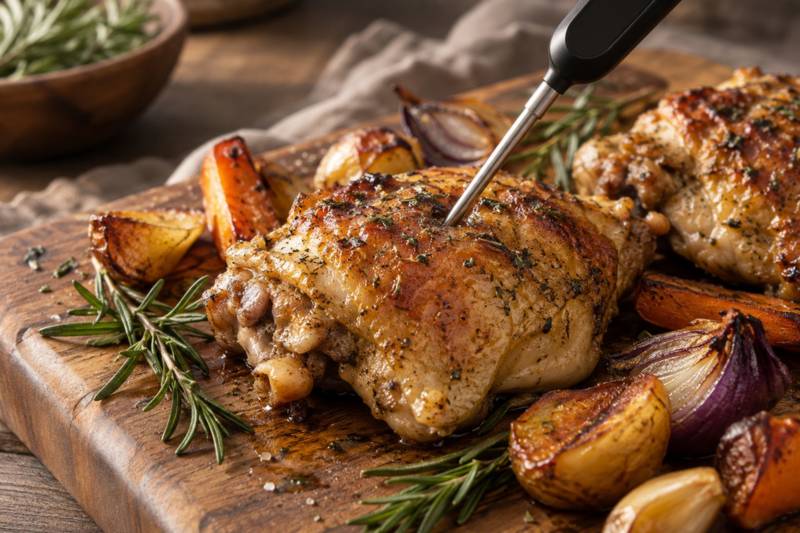
How to Use a Meat Thermometer: Types, Placement and Calibration
How to use a meat thermometer: thermometer types, where to insert it in steak, chicken, turkey and burgers, how to calibrate in ice water and how to clean.
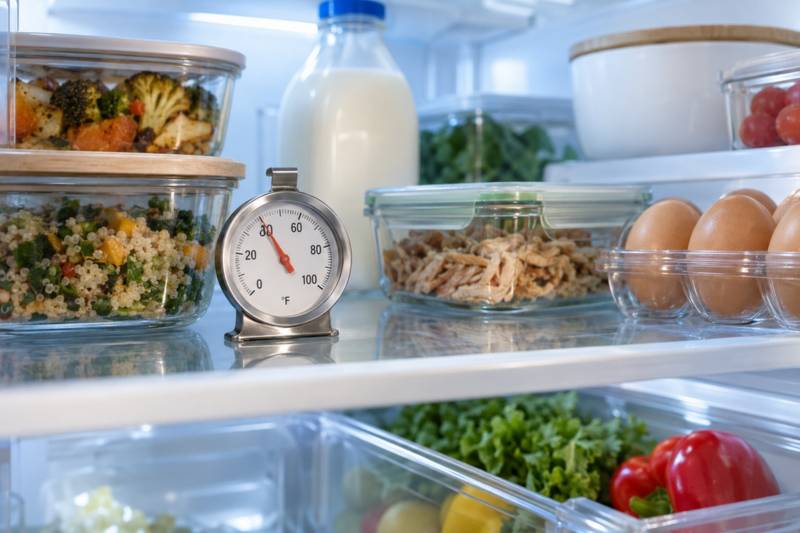
What Temperature Should a Refrigerator Be? Fridge and Freezer Temps
Keep your refrigerator at 40°F or below and your freezer at 0°F. How to check with a thermometer, where food goes, and what to do after a power outage.
How Long Can Food Sit Out? The 2-Hour Rule and the Danger Zone
Perishable food can sit out 2 hours, or 1 hour above 90°F. The 40-140°F danger zone explained, plus eggs, rice, meat, pizza, buffets and picnics.
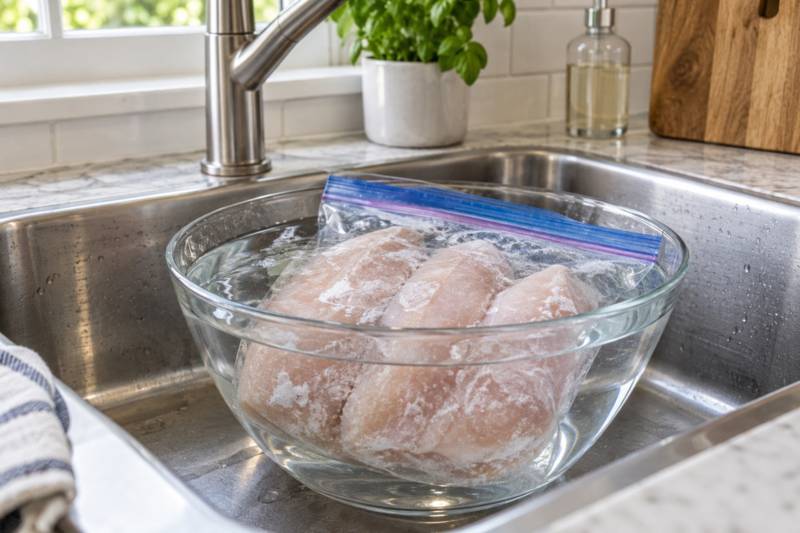
How to Thaw Meat Fast: Safe Methods for Chicken, Beef and Turkey
Fastest safe ways to thaw meat per USDA: cold water, microwave or cooking from frozen. Times for chicken, ground beef, steak and turkey, and what to avoid.
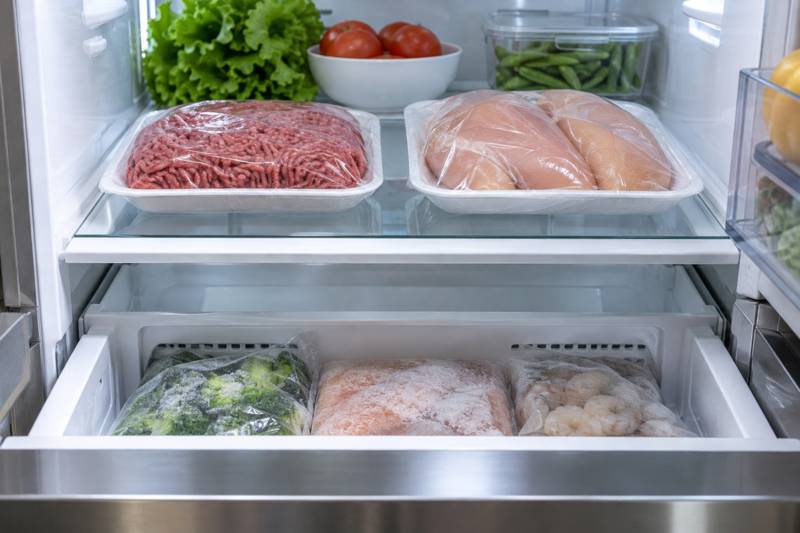
Can You Refreeze Thawed Meat? USDA Rules by Thawing Method
Can you refreeze thawed meat? Yes if it thawed in the fridge. USDA rules for cold-water, microwave and counter thawing, and for beef, chicken and turkey.
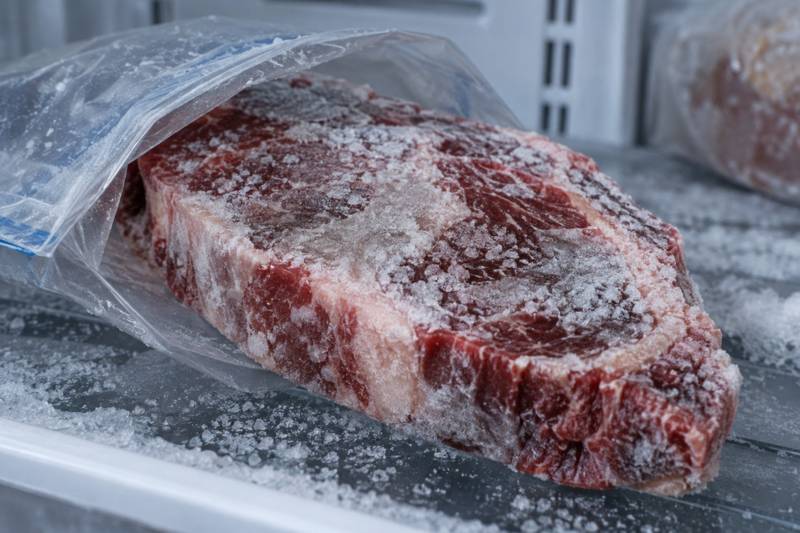
How to Prevent Freezer Burn (and Is Freezer-Burned Food Safe?)
How to prevent freezer burn: what causes it, why USDA says freezer-burned food is safe to eat, and how to wrap, store and trim frozen meat and ice cream.
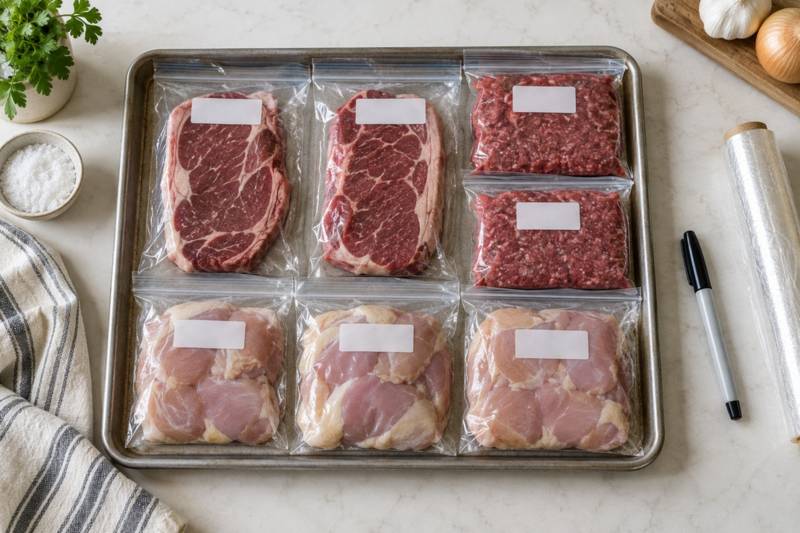
How to Freeze Meat, Poultry and Fish for Safety and Best Quality
How to freeze meat, poultry and fish: packaging, portioning, labeling and USDA freezer times, plus lunch meat, bacon, leftovers and vacuum sealing.
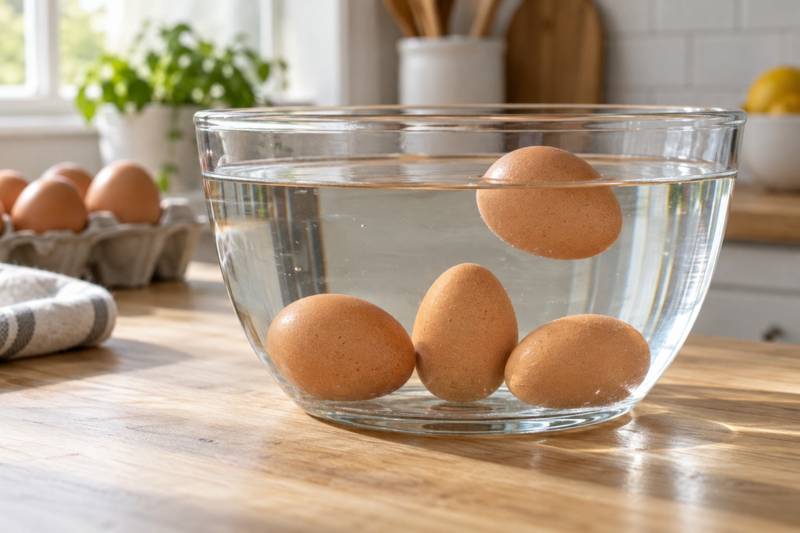
How to Tell If Eggs Are Bad: Float Test, Dates and Shelf Life
Eggs keep 3 to 5 weeks in the fridge. What the float test really shows, how to read sell-by and pack dates, and how to cook eggs safely to 160°F.
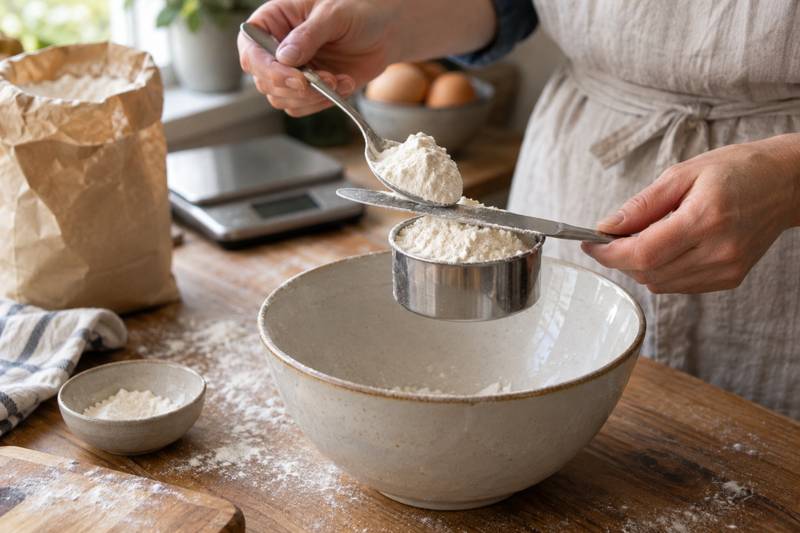
How to Measure Flour: Spoon and Level, Scoop or Weigh
Measure flour by spooning it into a dry cup and leveling it: about 120 g per cup. Why scooping adds weight, sifted wording, and packing brown sugar.
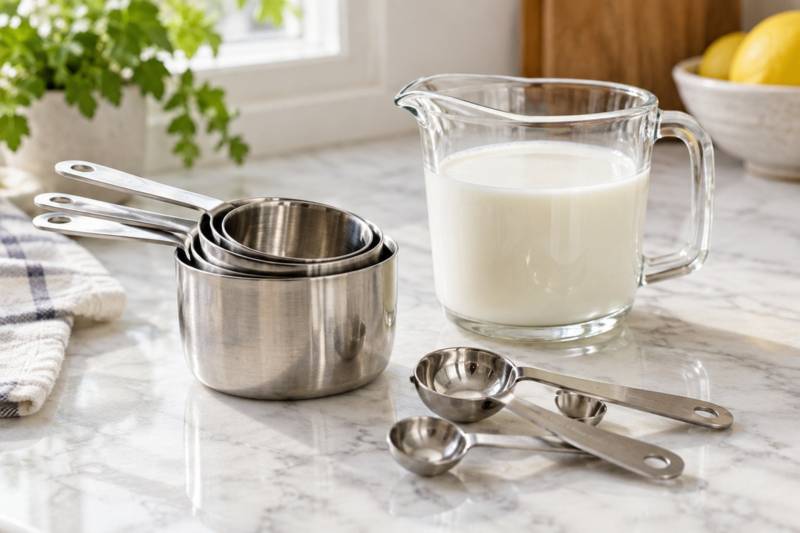
Dry vs Liquid Measuring Cups: What's the Difference?
Dry and liquid measuring cups hold the same 236.6 mL cup; technique differs. How to read a liquid measure, plus dry ounces vs fluid ounces explained.
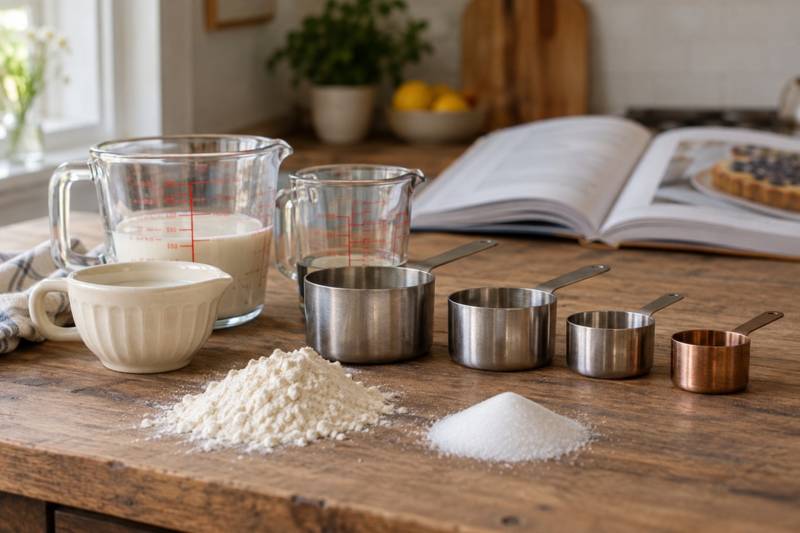
US vs Metric Cups: 236.6 mL, 240 mL or 250 mL?
A US cup is 236.6 mL, the FDA labeling cup 240 mL and the metric cup 250 mL. Plus US vs imperial pints and gallons, and how to convert recipes.
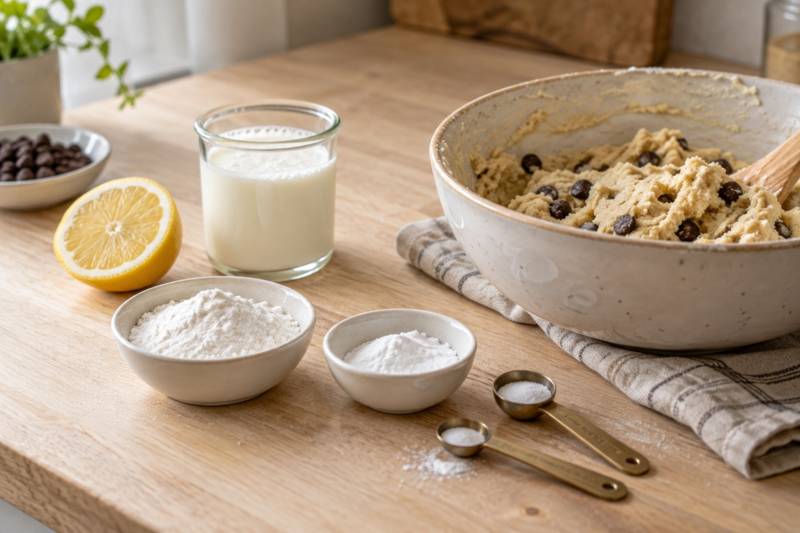
Baking Soda vs Baking Powder: Differences and Substitutions
Baking soda needs an acid to rise; baking powder has its own. How each works, why recipes use both, exact substitution ratios and how to test freshness.
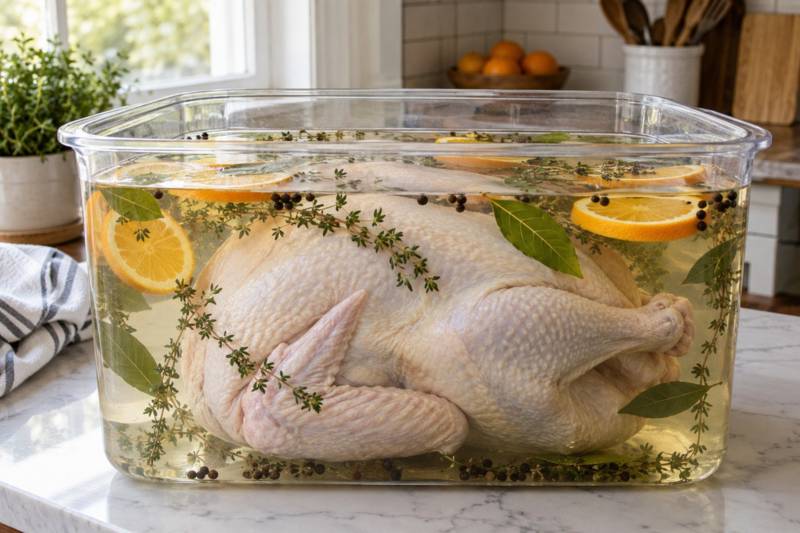
How to Brine a Turkey: Wet vs Dry Brine, Salt Ratio and Timing
How to brine a turkey: wet vs. dry brine, a tested salt-to-water ratio, how long to brine, keeping it at 40°F, why not to rinse, and cooking it to 165°F.
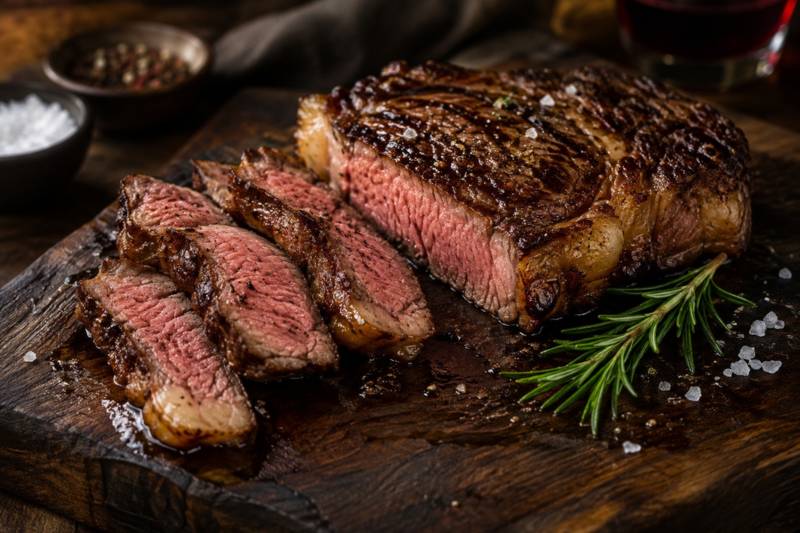
Carryover Cooking and Resting Meat: How Much Temps Rise
Carryover cooking: how much steak and roast temperatures rise while resting, USDA's 3-minute rest, and how long to rest steak, roasts and chicken.